PRP Hair Treatment: Costs, Results and Alternatives
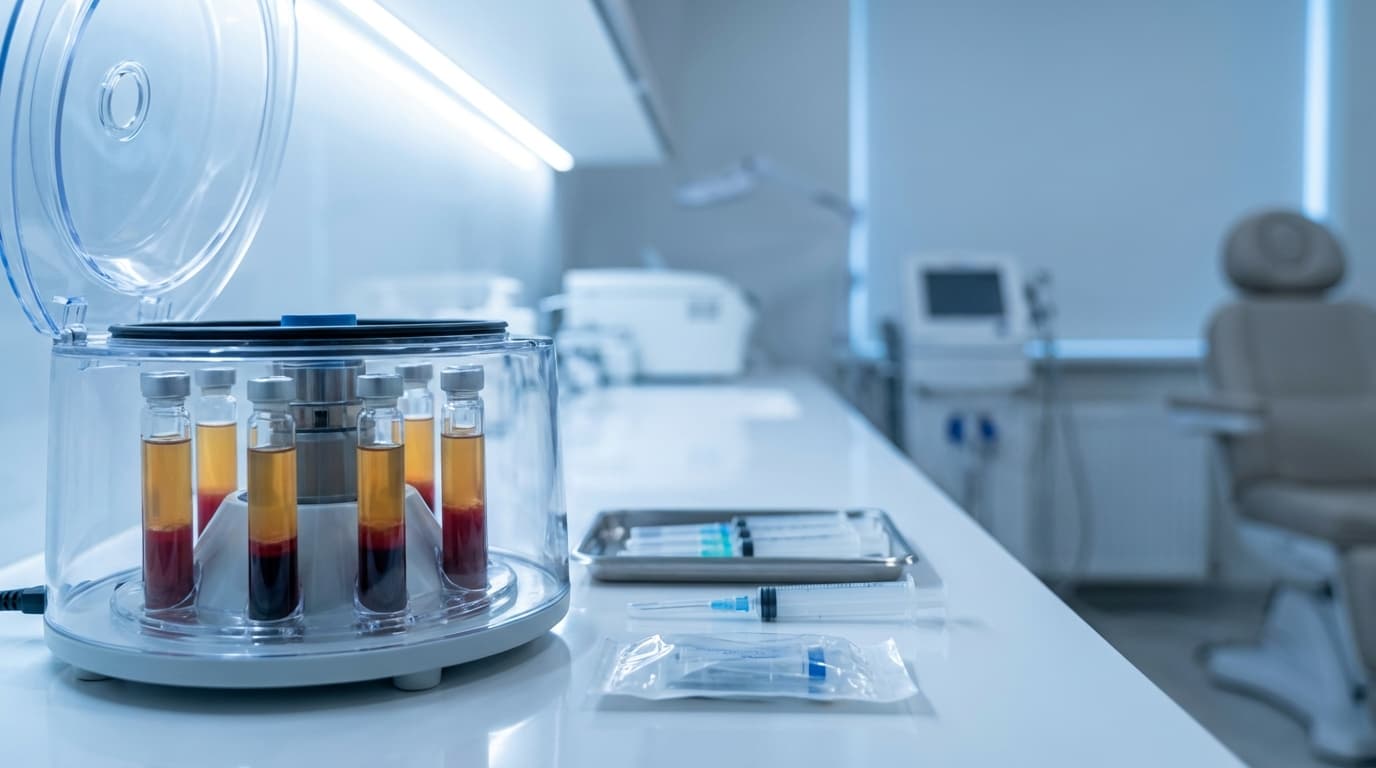
Table of contents
If you're researching hair loss treatments, you're probably coming across PRP more and more. Clinic after clinic offers it, dermatologists call it promising, and the before-and-after photos on Instagram look impressive. PRP — Platelet-Rich Plasma — has quickly become one of the most popular non-surgical hair loss treatments available.
But popular isn't the same as proven. And the costs add up fast. Before you spend €1,500 or more on a series of PRP sessions, you want to know: does it actually work? For whom? And are there alternatives that deliver the same or more for less money?
In this article, I'll give you an honest look at the science, the costs, and the alternatives. I work at Lascure — we sell laser helmets — so I'm not neutral. I'll say that upfront. But precisely because of that, I try to be extra careful with the facts.
What exactly is PRP?
PRP stands for Platelet-Rich Plasma. The idea is simple: your own blood contains growth factors that stimulate tissue repair. By injecting those growth factors in concentrated form into your scalp, the theory goes, you can "wake up" dormant hair follicles.
The procedure has three steps:
- Blood draw. 10-60 ml of blood is drawn from your arm — similar to a standard blood test.
- Centrifugation. The blood is placed in a centrifuge that separates it into three layers: red blood cells at the bottom, "poor" plasma on top, and platelet-rich plasma (PRP) in the middle. That middle layer — golden-yellow in colour — contains 3-5x the normal concentration of platelets.
- Injection. The PRP is injected into the scalp using fine needles, specifically targeting areas with thinning hair. This is the uncomfortable part: dozens of micro-injections into your scalp.
The growth factors in PRP — including PDGF, TGF-β, VEGF, and EGF — theoretically stimulate blood supply to the follicles, extend the growth phase (anagen), and reduce inflammation around the hair root.
What does the science say? The honest picture
PRP for hair loss is scientifically better supported than many supplements (looking at you, biotin), but the evidence isn't as compelling as clinics would have you believe.
What supports PRP:
A meta-analysis by Giordano et al. (2018) in the International Journal of Dermatology analysed 9 randomised controlled trials and concluded that PRP leads to a significant increase in hair density compared to placebo. Stevens & Khetarpal (2019) confirmed this in their review: PRP shows "promising results" for androgenetic alopecia.
Gentile et al. (2015) reported in their study of 23 patients an increase of 33.6 hairs per cm² after three PRP sessions over three months. That's not nothing.
But there are serious caveats:
- No standardisation. This is the biggest problem. Every clinic uses different equipment, different centrifuge speeds, different volumes, different concentrations. The PRP you get at clinic A is literally a different product than at clinic B. A systematic review by Mahé et al. (2023) emphasised that this lack of standardisation makes comparing studies and drawing definitive conclusions nearly impossible.
- Small study populations. Most studies have 20-50 participants. That's too few for robust conclusions. There are no large randomised trials with hundreds of participants — the kind of evidence that exists for LLLT and finasteride.
- No long-term data. Most studies follow patients for 3-6 months. What happens after a year or two — whether the effect persists, how quickly it fades — is largely unknown.
- Publication bias. Positive studies are published more readily than negative ones. This skews the picture.
- Placebo effect. Some studies using placebo injections (saline solution) also saw improvement in the control group. The ritual of a medical treatment — the clinic, the doctor, the injections — has a psychological effect in itself.
In summary: PRP probably works, but we don't know how well, for whom exactly, or for how long. The science is promising but immature. That's a more honest story than most clinics tell you.
What does PRP cost?
This is where many people get sticker shock. PRP isn't cheap, and it isn't one-time.
Cost per session: €250 to €500 per treatment, depending on the clinic, location, and amount of PRP prepared.
Recommended protocol: Most clinics recommend 3-4 sessions in the first 3-4 months (the "build-up phase"), followed by maintenance sessions every 4-6 months.
Year 1 costs: 3-4 sessions at €350 average = €1,050 – €1,400
Annual costs thereafter: 2-3 maintenance sessions = €500 – €1,050
5-year costs: €3,050 – €5,600
Important: PRP is not covered by health insurance. It's a cosmetic treatment. Every euro comes out of pocket.
Compare that to the alternatives:
- Finasteride: ~€50-100 per year (prescription)
- Minoxidil: ~€100-180 per year (over the counter)
- LLLT laser helmet: €599-1,399 one-time, then €0
- Hair transplant: €4,000-15,000 one-time
PRP sits in an uncomfortable middle zone: more expensive than medication, cheaper than a transplant, but with ongoing costs that add up significantly over the years — and a less convincing level of evidence than either.
The experience: how does PRP feel?
I won't sugarcoat it: PRP hurts. The scalp injections are described as "uncomfortable to painful" by most patients. Most clinics offer anaesthesia (nerve block or numbing cream), but even then you feel the pressure of the needles.
After treatment, you may experience:
- Tenderness and swelling at injection sites (24-48 hours)
- Scalp redness
- Mild headache
- Occasional small bruises
Most side effects resolve within a few days. Serious complications are rare — it is your own blood being re-injected, which eliminates the risk of allergic reactions.
But remember: this isn't once. This is 3-4 times in the first year, and then 2-3 times per year. Each session costs you a clinic visit, 45-60 minutes, and a day or two of tenderness.
Who is PRP suitable for?
PRP doesn't work for everyone. Based on available research and dermatologist experience, PRP is most suitable for:
- Early to moderate androgenetic alopecia — thinning hair, not completely bald
- People willing to commit to ongoing treatment — PRP is not one-and-done
- As a complement to other treatments — PRP is increasingly combined with finasteride, minoxidil, or LLLT
PRP is not suitable for:
- Completely bald areas — where no follicles remain active, PRP cannot stimulate anything
- Blood disorders or blood thinner use
- Active scalp infections
- Expectations of dramatic results — PRP is subtle, not transformative
The alternatives: what else can you do?
PRP isn't your only option. In fact, some alternatives have stronger scientific evidence, are cheaper, or both.
Finasteride / dutasteride
DHT blockers that address the hormonal root of androgenetic alopecia. Finasteride has been studied in trials with thousands of participants — the kind of evidence strength PRP can only dream of. Downside: possible side effects (2-4% sexual side effects) and lifelong use.
Minoxidil
FDA-approved, available over the counter. Stimulates local blood supply to follicles. Proven effective in multiple meta-analyses. Downside: daily application, forever.
LLLT (Low-Level Laser Therapy)
This is the option I find most interesting as an alternative to PRP, and I'll explain why.
LLLT and PRP have surprisingly much in common. Both target the same problem: stimulating dormant or miniaturising follicles to produce thicker hair again. Both work best for early to moderate hair loss. Both have clinical evidence — a meta-analysis by Afifi et al. (2017) confirmed that LLLT leads to a significant increase in hair density.
But there are crucial differences:
- Cost. A Lascure laser helmet costs €599 to €1,399 one-time. Over five years, you save €1,650 to €4,200 compared to PRP.
- Convenience. You use the helmet at home, 12-20 minutes per session, 3x per week. No clinic visits, no waiting rooms, no injections.
- Pain. Zero. No needles, no pricks, no recovery time. Put on the helmet, press start, done.
- Evidence strength. The meta-analysis for LLLT (Afifi et al., 2017) is methodologically comparable to those for PRP, but LLLT has the advantage of standardised parameters: wavelength, dosage, and treatment duration are consistent between devices. With PRP, the concentration differs from clinic to clinic.
- Side effects. There are no known side effects of LLLT. With PRP, you have pain, swelling, and tenderness after every session.
The only advantage of PRP over LLLT is that some studies report slightly higher average hair density improvements — but those studies use inconsistent PRP preparations, making the comparison skewed.
Hair transplant
For advanced hair loss, a transplant remains the gold standard. But it's surgery (€4,000-15,000), with weeks of recovery. Many dermatologists recommend PRP or LLLT after a transplant to support the results.
Combination therapy: the most powerful approach
The trend in dermatology is increasingly towards combination therapy. And this makes sense: each treatment addresses hair loss from a different angle.
A commonly used protocol:
- Dutasteride or finasteride → blocks DHT (the cause)
- LLLT → stimulates follicles at the cellular level (the mechanism)
- Minoxidil → improves local blood supply (the nourishment)
PRP can serve as an addition here, but the cost-benefit ratio is questionable if you're already using LLLT — both stimulate growth, just through different mechanisms.
The advantage of LLLT over PRP in a combination regimen is practical: it can be done at home, has no recovery time, and costs nothing after purchase. You can sustain it for years without budget being a factor.
My honest advice
PRP isn't nonsense — there is real scientific evidence that it works. But the evidence is weaker than often portrayed, the costs add up significantly, and the treatment isn't pleasant.
If you're considering PRP, ask yourself these questions:
- Do you have the budget? Expect at least €1,000 per year, indefinitely. If that's tight, there are more effective ways to spend that money.
- Are you willing to keep coming back? PRP is not a one-time fix. Stop it, and the effect gradually fades.
- Have you considered the alternatives? A laser helmet does something similar — stimulating follicles — but at home, without pain, and for a one-time investment.
My suggestion: start with the fundamentals. See your doctor for blood work and a diagnosis. Discuss finasteride or dutasteride as an option. Consider a laser helmet if you don't want medication. If after 6-12 months you want to do more, you can always add PRP to your protocol.
But PRP as your first and only treatment? That's paying a premium for something you don't know will work for you, while proven alternatives are available for a fraction of the price.
Conclusion
PRP treatment for hair loss is a promising but immature therapy. It probably works, but the degree varies per person and per clinic. The costs are high and ongoing. And the scientific evidence — while growing — still lacks the robustness of proven alternatives like finasteride and LLLT.
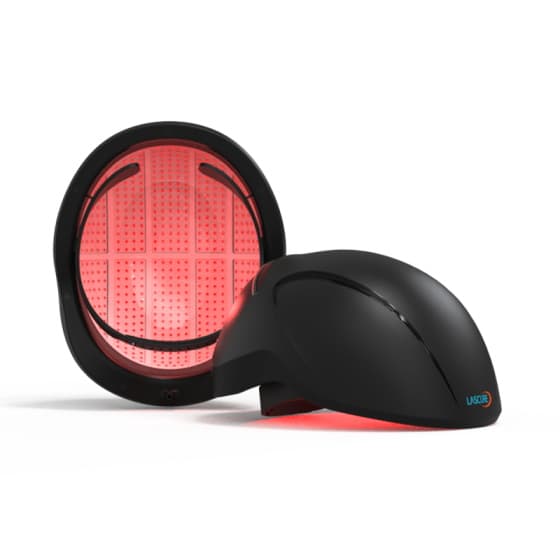
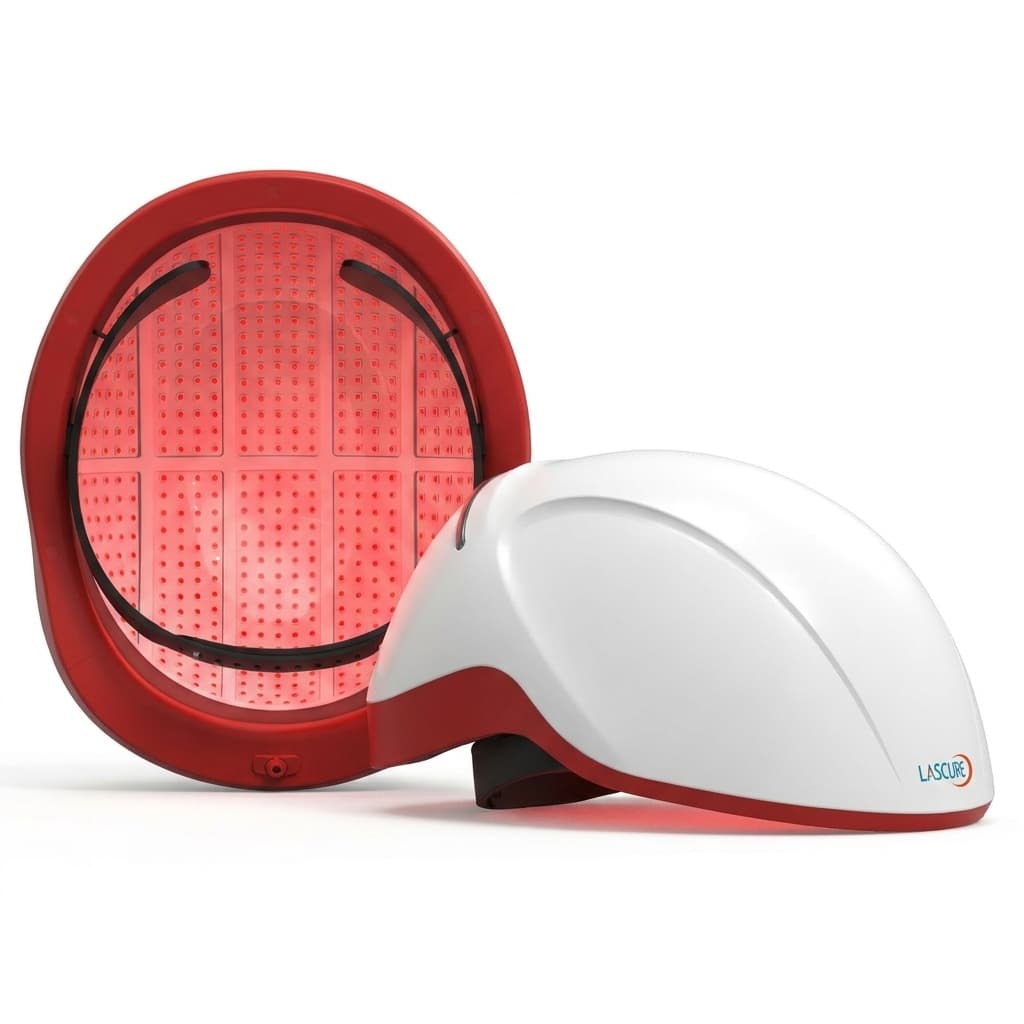
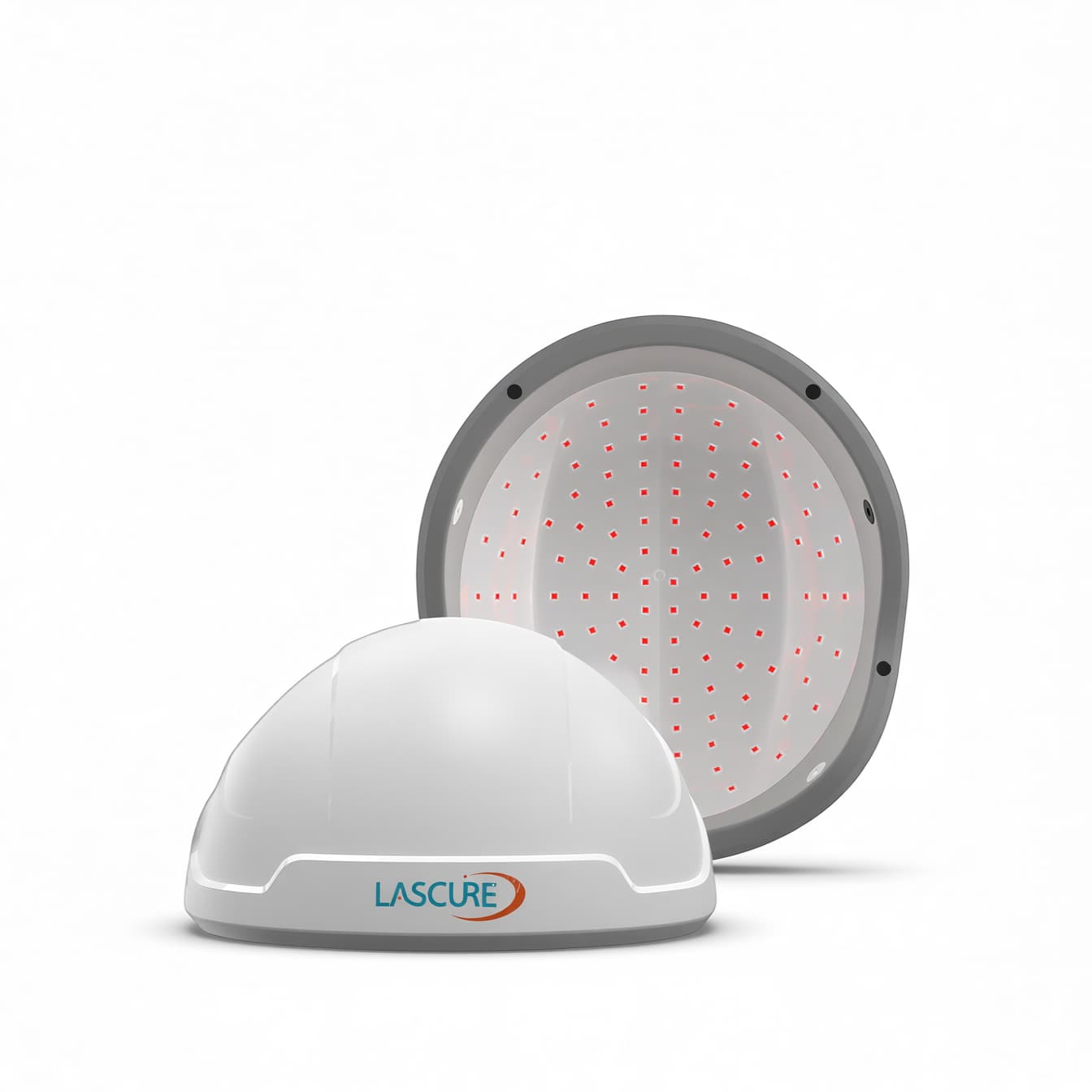
If your budget is limited or you'd rather not have needles in your scalp: a laser helmet offers comparable follicle stimulation, at home, pain-free, and for a one-time investment. Want to know which model suits you? Take the product quiz or view the product overview.
Products mentioned in this article
More articles
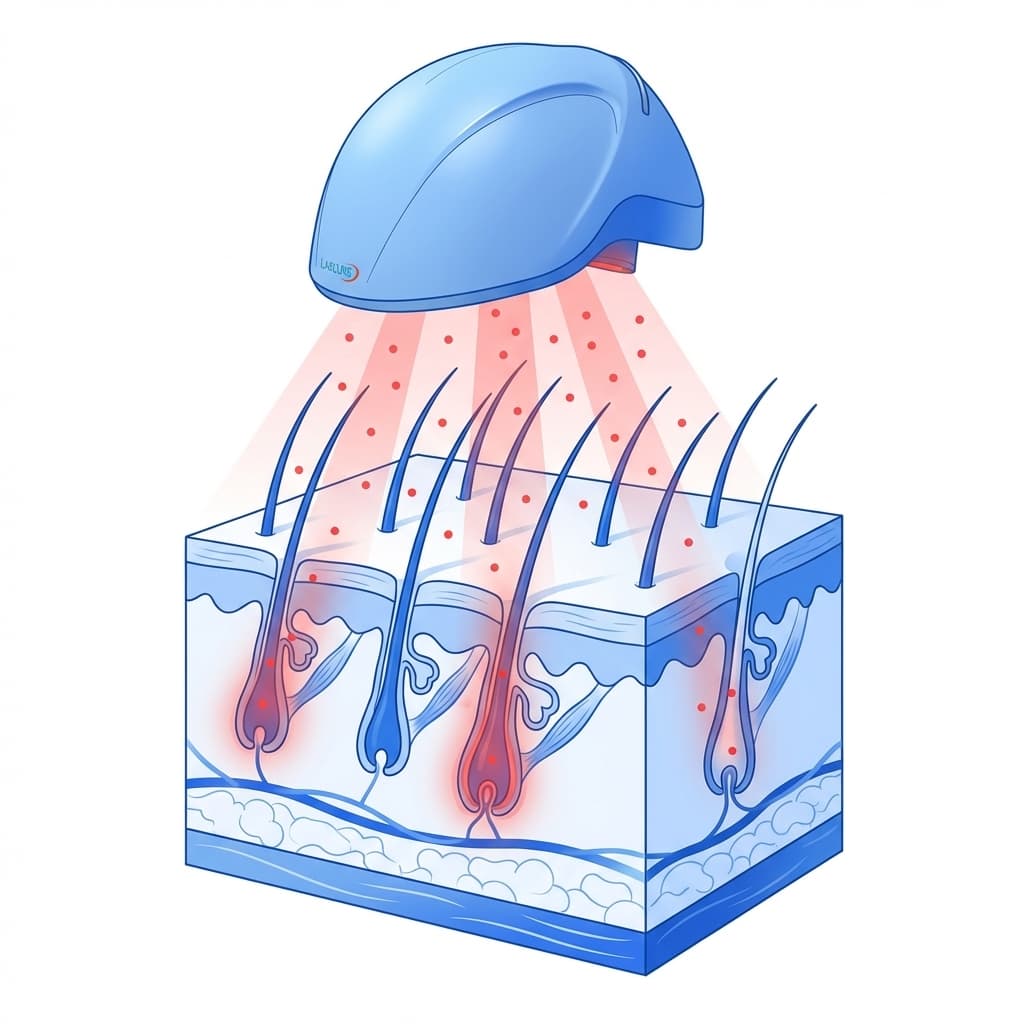
Do laser helmets really work against hair loss? What science says
Discover what clinical research says about laser helmets for hair loss. An honest, science-backed analysis without overclaims.
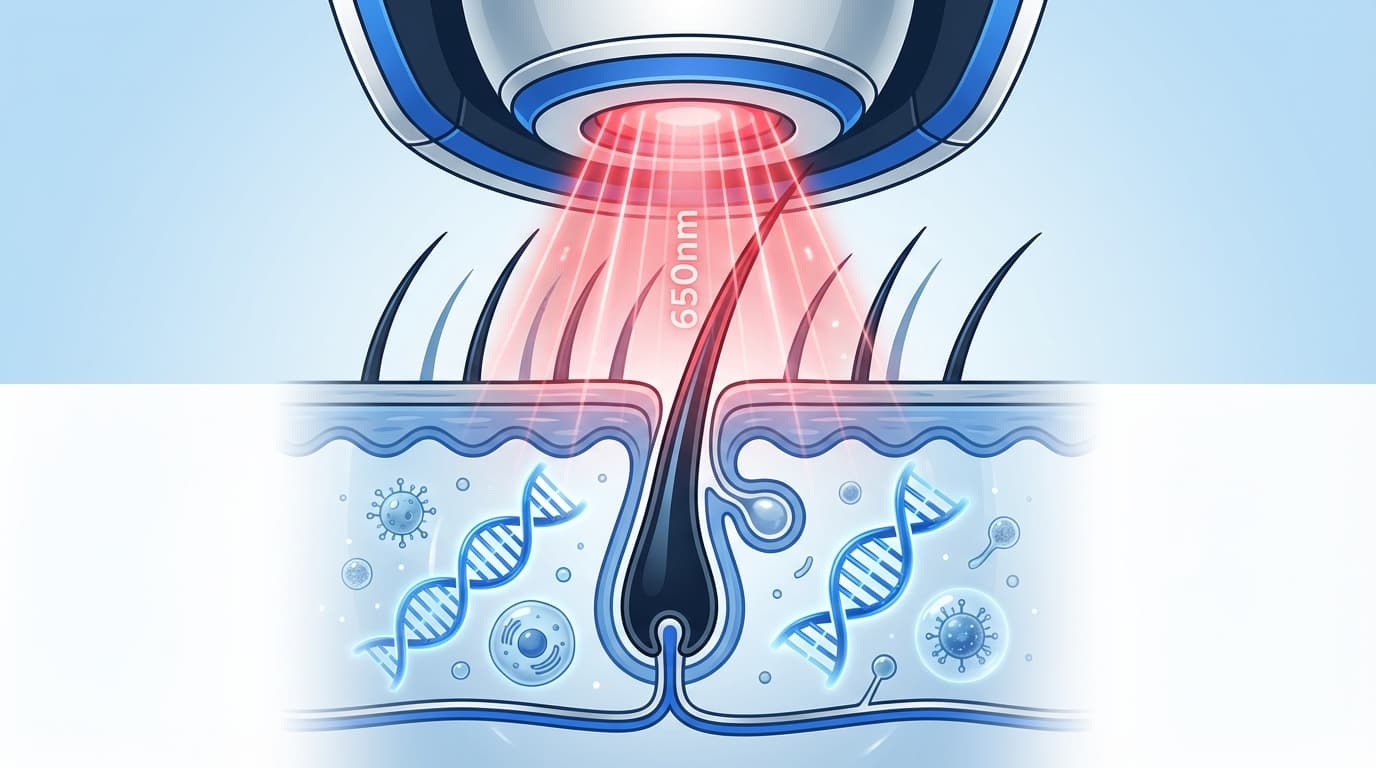
Stop Hair Loss: 6 Proven Methods Honestly Compared
Your hair is thinning and you want to do something about it. But what actually works? We compare six treatments — from hair transplants to DHT blockers — on effectiveness, cost, and what you can realistically expect.
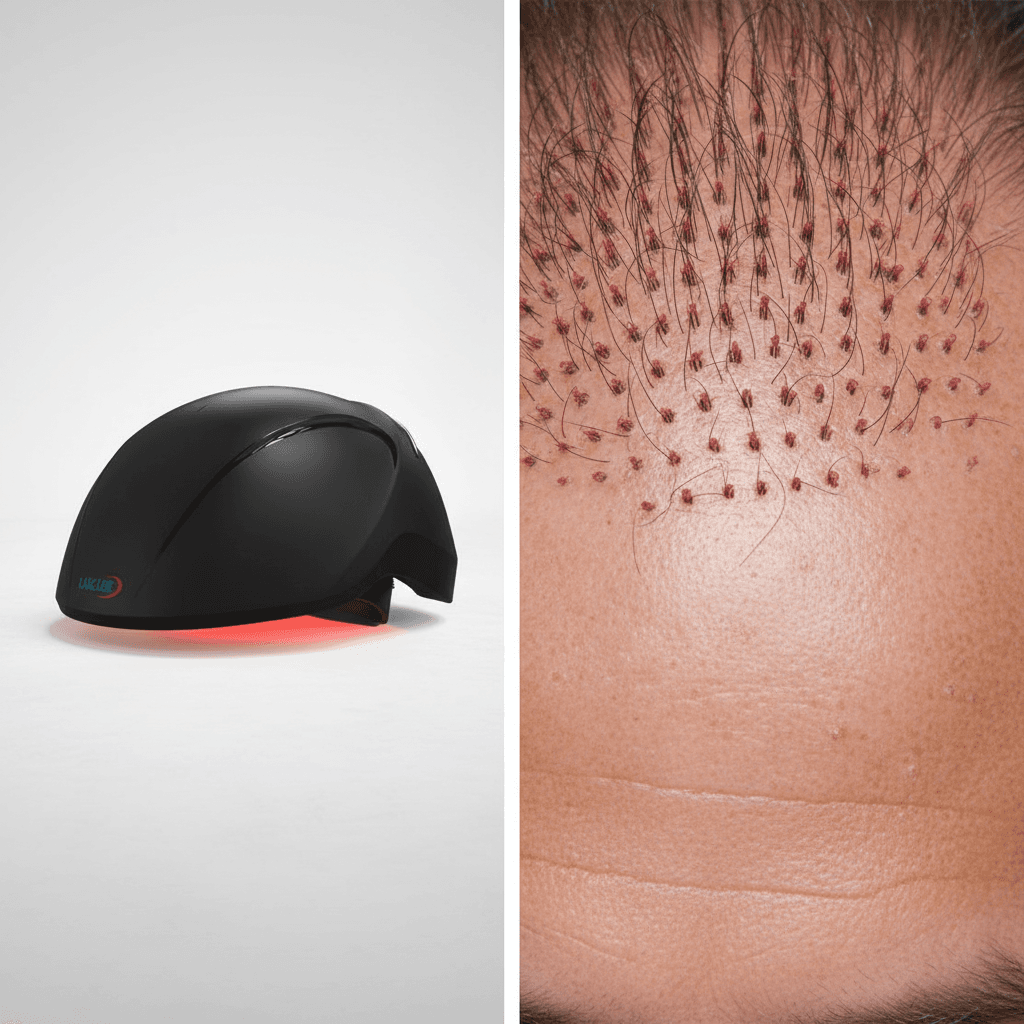
LLLT vs hair transplant: which is better for you?
A hair transplant delivers the most visible results, but costs thousands and requires surgery. A laser helmet works more gradually, but without cutting, without side effects, and at a fraction of the price. Which is the right choice?